Lori Stich Obluda
Posted September 28, 2026


Class of 1978: Art and Culture
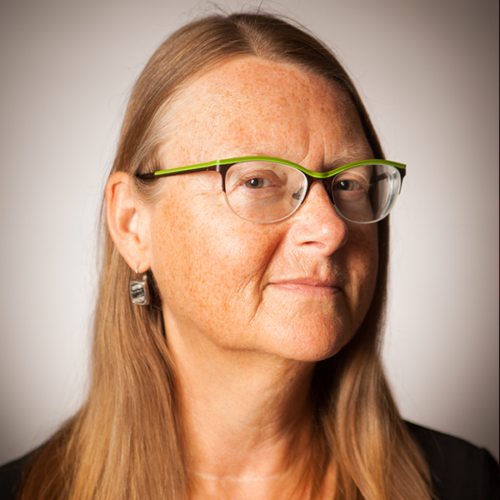
Erika Doss, Class of 1978, is acknowledged as one of the country’s eminent scholars in American art history, popular culture and public culture of the 20th and 21st centuries.
Now serving as a professor of art history and the Edith O’Donnell Distinguished Chair in Art History at The University of Texas at Dallas, she is widely published with hundreds of books, articles and book chapters on far-ranging topics.
And it all started with curiosity. “I was trained as an art historian,” she says. “I like asking questions, solving puzzles, telling stories. I have always been interested in how artists work, where they come from, what they’re doing.”
Doss majored in art and art history at Ripon, where her father, Seale R. Doss, was a professor of philosophy from 1964-1999. “The thing about going to Ripon, is that not only was I able to take art history classes, but also a lot of studio classes such as painting and sketching,” she said. That blend of studying history, immersing herself in studio practices and techniques and discovering how artists work, nurtured her.
She currently is a member of the College’s Board of Trustees.
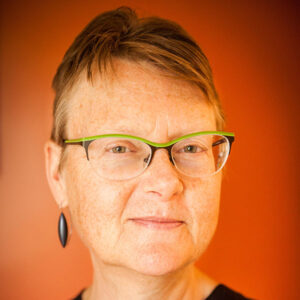 From Ripon, she went on to earn a master’s degree and doctorate in art history from the University of Minnesota. She served for 21 years in the Department of Art and Art History and as director of the American studies program at the University of Colorado Boulder; and for 16 years as professor of American studies at the University of Notre Dame.
Her research is diverse and often done from innovative social angles: public art and cultural democracy, the politics of modernism, 20th and 21st-century American art and design, the fan culture of Elvis Presley, and contemporary public memorials.
“My research and writing is driven by my own curiosity about certain cultural moments, and trying to make sense of them,” Doss said. “I’ve tended to take up topics that are relatively unexplored or under-examined in 20th and 21st century American culture, questioning conventional assumptions and proposing new ways of looking and understanding certain cultural phenomena. This includes explaining how and why abstract art became ‘the’ style of American art after World War II, why Americans love to fight over public art, and why certain cultural figures are more celebrated than others.”
Her latest book, “Spiritual Moderns: Twentieth Century American Artists and Religion,” was published by the University of Chicago Press in 2023. It examines how and why religion matters in the history of modern American art and whether religion has meaning in how artists create. “Religion is central to American nationalism and American identity in general,” Doss said. “It colors who we think we are and what we think about ourselves, and so it’s something we need to study.”
As an educator, “I like to think I’m teaching critical thinking in my classes, teaching students how to recognize and solve problems in constructive ways,” she said. “Looking and asking questions about what we see — in an art museum, on television, in a public setting, or elsewhere — is instructive on multiple levels!
“I hope I’ve encouraged others to keep asking how and why systems of all sorts actually work, and to consider alternatives. I credit my classes with Ripon College art teacher Erv Breithaupt and his concept of institutional status, especially formative.”