Lori Stich Obluda
Posted September 28, 2026


Class of 1980: Archivist
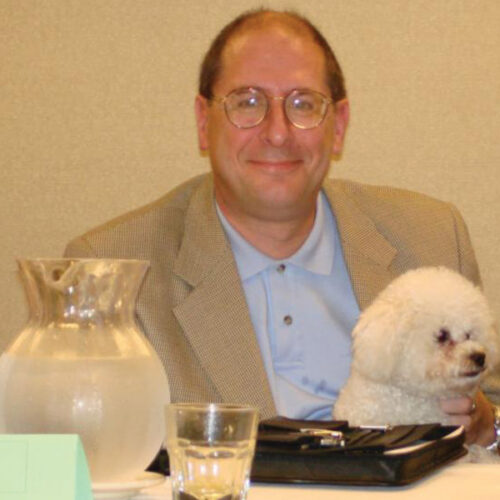
Mark Allen Greene was a leading influential archivist and helped establish a core set of values to advance the profession and preserve historical material for future generations.
“Archivists are professionals charged by society as a whole or institution to preserve primary source material, unpublished in textual, visual and sound format,” he said. “There are two primary reasons why this work is important. Archivists assigned to government agencies are responsible for ensuring that the records that help hold our government accountable are preserved and made accessible to people and the press.
“The other important goal of the profession is to preserve material that documents the culture and history of the United States — whether it’s diaries of pioneer women or the records of local nonprofit agencies or the records of a prominent journalist or politician. This is the material scholars and students use to piece together the history of the United States, using ‘history’ in its broadest sense. We have a mission of accountability on the one hand, and on the other preservation of culture.”
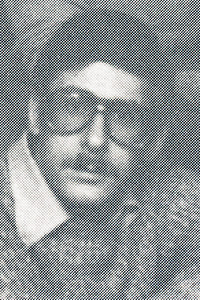 He was born Sept. 2, 1958, in Rockville, Maryland. At Ripon College, he double majored in history and politics and government. He went on for a master’s degree in history with cognates in archival administration and modern Chinese history from the University of Michigan.
Greene served as archivist at Carleton College, curator of manuscripts at the Minnesota Historical Society, head of research center programs for the Henry Ford Museum in Dearborn, Michigan, and director of the American Heritage Center at the University of Wyoming, one of the largest non-governmental libraries in the country.
He published more than a dozen articles on archival matters in the United States, Canada, Sweden and the United Kingdom; served as president of the Society of American Archivists; and was known for the development of archival management principles in “More Product, Less Process,” co-written with Dennis Meissner.
In archival work, “First and foremost, you need a real love of history in general and learning how to think very critically about history and more specifically about the sources of history,” Greene said. “Coming to appreciate the importance of the sources of history and learning to appraise them critically, not to take them for granted, to ask analytical questions about them.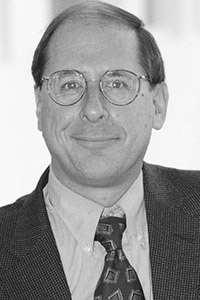
“All of that I learned at Ripon. All the preparation I needed to understand and appreciate archives as a profession and practice occurred in Ripon in my history classes. (My Ripon education) meant everything to my career. It permitted me to go to a first-rate graduate school and equipped me with the breadth, knowledge and the capacity to gather and analyze knowledge that I have relied on to one degree or another every day of my working life.”
Greene died in a car accident on June 21, 2017, near Cheyenne, Wyoming.