Jonathan Muraskas
Posted November 4, 2026


Class of 2002: Cancer research
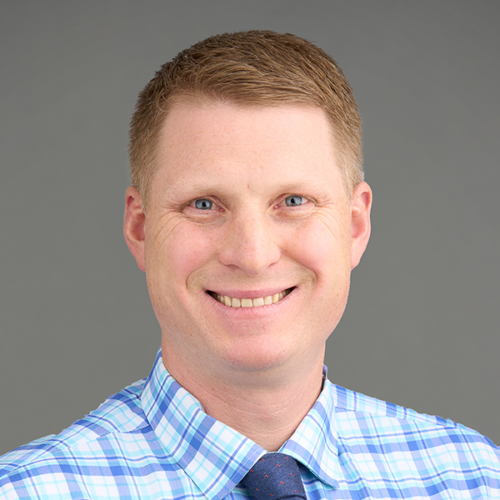
An early ambition to help combat cancer led Zachary Morris to his current position as the Endowed Paul Harari Professor and Chair of the Department of Human Oncology at the University of Wisconsin School of Medicine and Public Health.
He was born in August 1980 in Rockford, Illinois. At Ripon College, he majored in chemistry and biology with a minor in Latin. He was a member of the Red Hawks football, baseball and swimming teams.
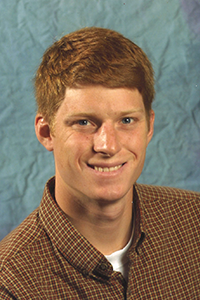 “I decided to go into medicine at an early age after losing family members to cancer, and I came to Ripon with the goal of getting into medical school,” Morris says. “It was at Ripon where I first gained exposure to laboratory research and found a passion for exploring the unknown through science. Ultimately, this led me to pursue a career as a physician-scientist, both treating cancer patients and conducting translational research with the goal of identifying new treatments and cures for cancer.”
In 2001, he was named a prestigious Goldwater Scholar and in 2002 was one of the select 32 Americans named a Rhodes Scholar, which included study at the University of Oxford in the United Kingdom. He was the third Ripon College alumnus in history to be selected as a Rhodes Scholar, a celebrated international fellowship which allows recipients to pursue a degree at the University of Oxford in the United Kingdom.
He earned two one-year master’s degrees at Oxford: in medical anthropology and in the history of science, medicine and technology. He completed his medical doctor degree and his Ph.D. in the Biological and Biomedical Sciences Program at Harvard Medical School.
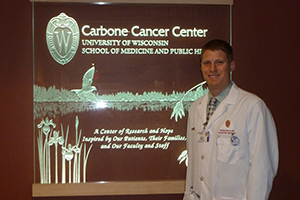
In the radiation oncology lab at University of Wisconsin Hospital and Clinics
– Photo credit John Maniaci
Morris served his residency at the University of Hawaii as part of an internal medicine internship from 2011 to 2012, then completed a residency in radiation oncology at the University of Wisconsin.
Clinically, he specializes in the treatment of patients with melanoma and sarcomas. His research laboratory has been examining the mechanisms of therapeutic interaction between radiation therapies and immunotherapies.
He says he enjoys working with cancer patients and giving them the best care he possibly can with the current tools that are available. “It’s inspiring to hear their stories,” he says. “If I were only doing research, I would feel disconnected from real-world applications; with patients, it brings the research to life for me and I see the need for research.”
As a researcher, Morris runs clinical trials to try to bring treatments and modalities to the clinic that may be more effective than what they have now; as well as studying and researching interactions and effects of treatments on tumor development that may lead to new approaches and treatments. He has earned several prestigious research grants.
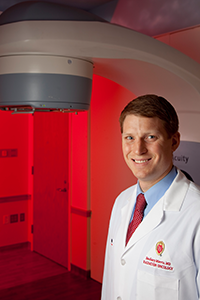
In the radiation oncology lab at University of Wisconsin Hospital and Clinics
– Photo credit John Maniaci
A prior recipient of the National Institutes of Health Director’s Early Independence Award, he has been co-PI of an NIH Cancer Moonshot Initiative U01 and an NIH P01. He serves as co-Chair of the NCI Radio-Immunotherapy Working Group. He also serves at the rank of major in the Medical Group of the 115th Fighter Wing in the Wisconsin Air National Guard.
The limitations of current treatments and tools can be frustrating, Morris says, and “it’s a bit of an intellectual and emotional outlet to try to think of new cures and treatments for cancer.” He says the two parts of his career comprise “a nice confluence of providing care and developing improved approaches. Together, they’re really rewarding.”
He received Ripon’s Outstanding Young Alumni Award in 2010 and an honorary degree from Ripon in 2023.