

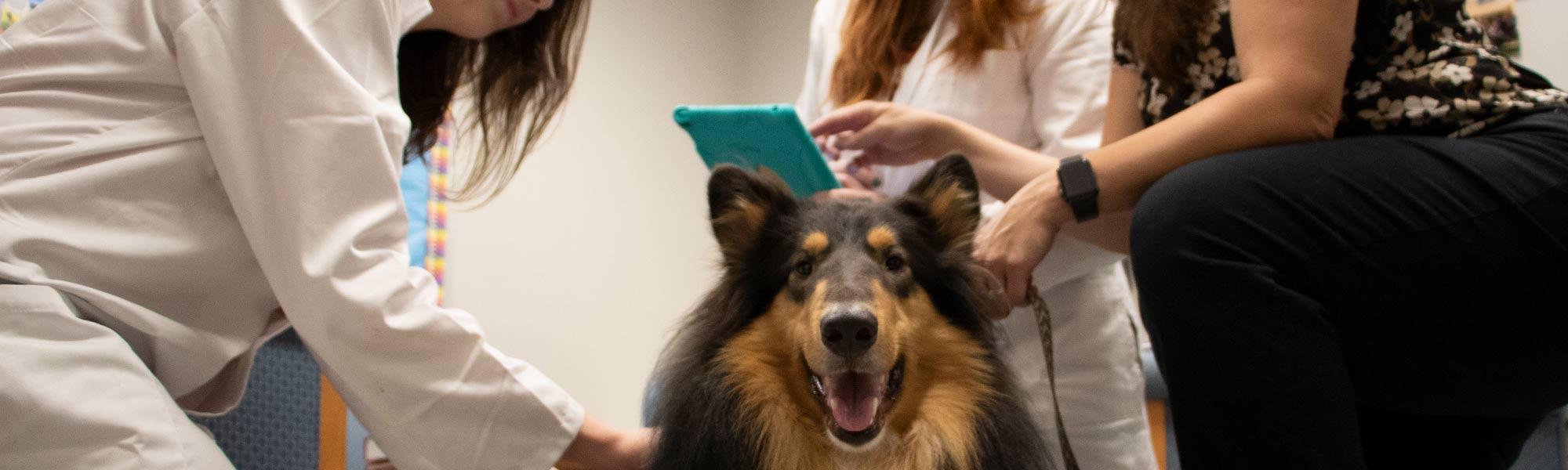
Well-Rounded Prep for Veterinary Careers
Each year, first-year students begin their studies toward careers in veterinary medicine through an undergraduate degree. Although certain courses are required for entrance into veterinary schools, no specific major is required.
Veterinary schools seek candidates with a specific and diverse academic background, strong critical-thinking and problem-solving skills, a sincere commitment to a health career, leadership abilities, adequate performance on standardized tests, completion of long application forms, and submission of several letters of recommendation.
Preparation for the health professions involves not only the study of science and technology, but also human nature and knowledge. Veterinary schools look for well-rounded individuals who are articulate, well-read, caring and giving of their time, and who have the historical and philosophical background to place scientific discoveries in context.
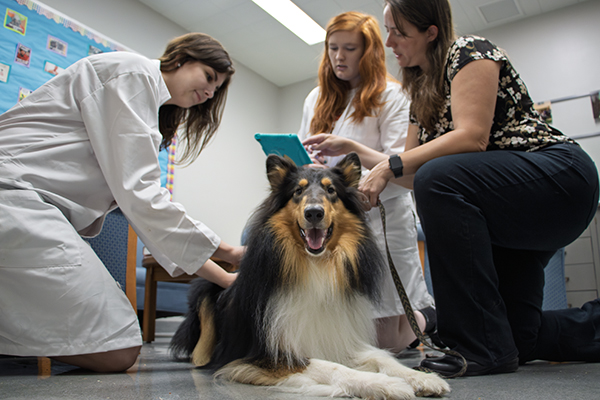
Ripon gives its students an appreciation and awareness of the major areas of human intellectual endeavor and provides a broad foundation upon which specialized studies may be based. The program stresses hands-on learning. Ripon’s small size allows our faculty to get to know our students, permitting them to write strong letters of recommendation.
Faculty
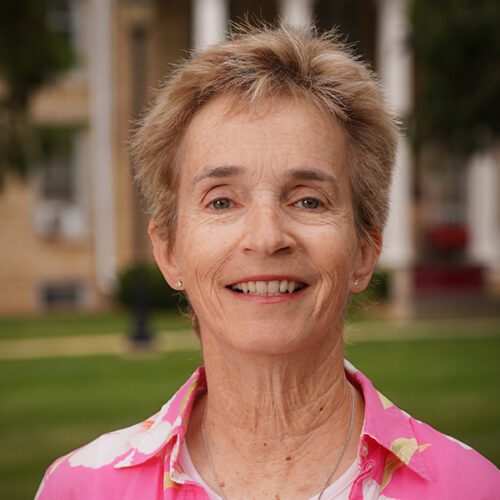
Colleen Byron
Professor of Chemistry, L. Leone Oyster 1919, Chair in Chemistry and Co-Director of the Biomedical Science and Biochemistry programs
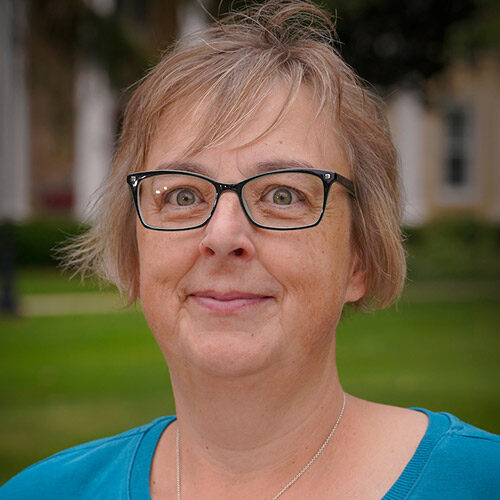
Jacqueline Clark
Professor of Sociology and the Helen Swift Neilson Professor of Cultural Studies and Co-Director of the Criminal Justice program
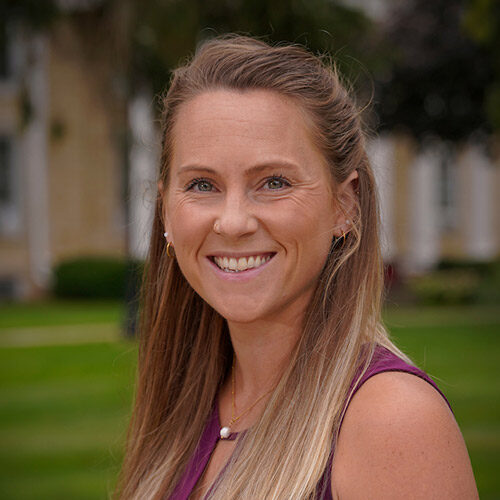
Brittany Followay
Associate Professor of Exercise Science, Chair of the Department, and Graduate Program Director

Robin Forbes-Lorman
Associate Professor of Biology, Co-Director of the Neuroscience Studies and Psychobiology programs and Chair of Health Professions Advisory Committee
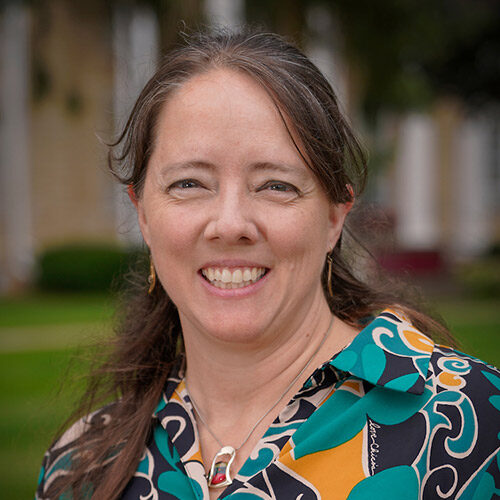
Julia Manor
Associate Professor of Psychology, Director of Assessment, Co-Director of the Neuroscience Studies and Psychobiology programs
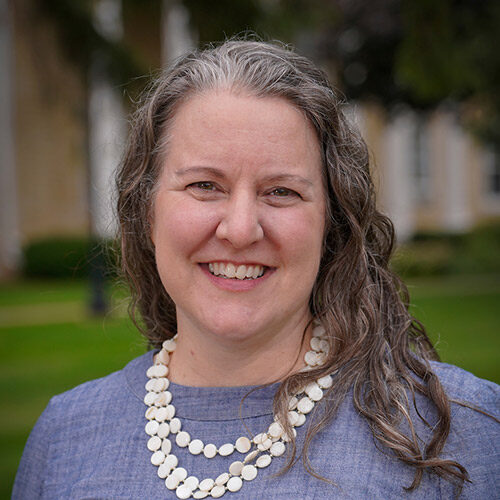
Barbara Sisson
Professor of Biology, Chair of Biology and Co-Director of the Biomedical Science program
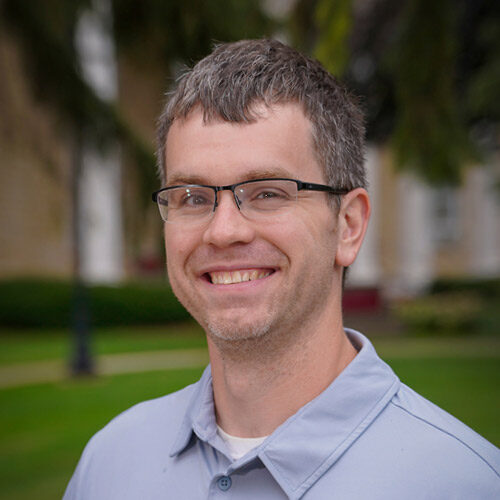
Patrick Willoughby
Professor of Chemistry, the Oyster Family Distinguished Professorship in Chemistry, and Coordinator of Faculty Research and Creative Achievement, Chair of Chemistry and Co-Director of the Biomedical Science program
The specific admission requirements vary considerably from school to school. It is important that the applicant obtain a catalog from the specific school of veterinary medicine where he or she plans to apply. Although no specific major is required, you should plan carefully to ensure that your education and animal work experiences enhance your chances for admission.
Typical course requirements include: general and qualitative chemistry, 8-10 credit hours (CHM 112 Structure and Reactivity and 211 Analytical Chemistry: Equilibrium and Quantitative Analysis); organic chemistry, 8-10 credit hours (CHM 111 Organic Chemistry I and 214 Organic Chemistry II); biochemistry, 3-4 credit hours (CHM 422 Biochemistry); general biology or zoology, 5-6 credit hours (BIO 123 Molecules, Cells and Genes and an additional course in animal biology, most likely BIO 216 Vertebrate Zoology); genetics or animal breeding, 3 credit hours (BIO 219 Genetics); microbiology, 3-4 credit hours (BIO 314 Microbiology); physiology, 3-4 credit hours (BIO 211 Human Anatomy and Physiology I: Support, Movement and Integration – 312 Human Anatomy and Physiology II: Maintenance and Continuity); general physics, 6-10 credit hours (PHY 152/172 Introductory Physics I & II: Electricity, Magnetism and Waves); statistics (MTH 120 Elementary Statistics or PSC 211 Research Design and Statistics); English, 3-6 credit hours; social science or humanities, 6-10 credit hours; and additional electives to satisfy the requirements of the particular veterinary school. In addition, calculus (MTH 201 Calculus I) and courses in animal behavior and husbandry may be required.

Career Tracks
An undergraduate degree is a first step going on to receive degrees from veterinary schools.

Unique Opportunities
Students work with the Health Professions Advisory Committee to make sure that they are on track to achieve their goals, receive feedback on application materials, and practice mock interviews.
Advising
Ripon College faculty and professional staff are dedicated to helping you reach your goals, whatever they may be and however often they may change along the way. It’s part of our value statement to you.
As a student at Ripon, you will be assigned a faculty adviser based on your area(s) of interest. You will meet with your faculty adviser throughout your time as a student to discuss your current aspirations, plan your course schedule and plot a future trajectory. We also work collaboratively with Ripon College Career and Professional Development to help match your interests and skills to concrete goals and construct a plan for professional success offering personalized career counseling, off-campus learning opportunities and an online job board with potential to connect with local, national and international employers.
Related Areas of Study that you may be interested in
More To Explore
DO MORE YOUR WAY
Become the extraordinary individual you are meant to be at Ripon.